
Landlord Insurance Georgia: What Your Rental Property Actually Needs
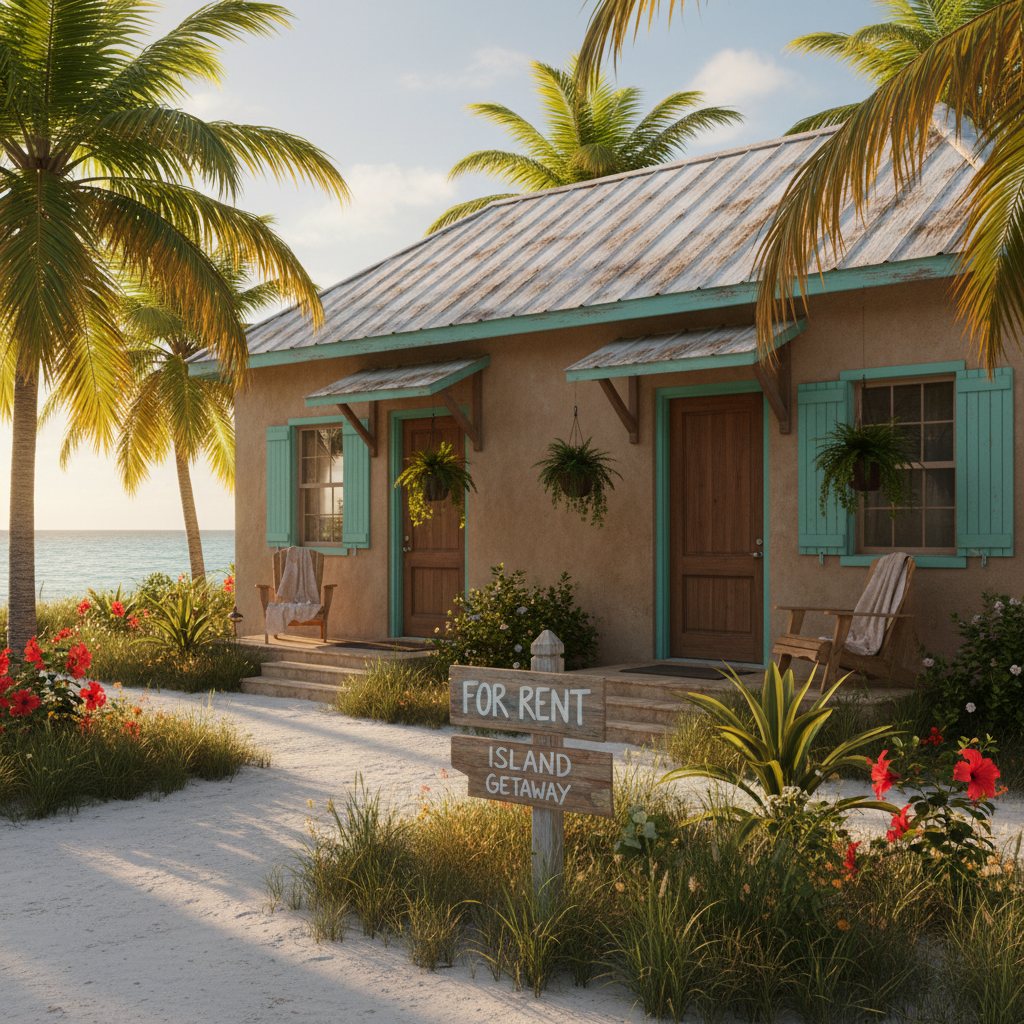
Why landlord insurance Georgia rental property coverage is different from homeowners insurance
A lot of landlords make the same mistake. They think their standard homeowners policy will protect their rental property. Then something happens, they file a claim, and the insurance company denies it. That's because rental properties operate under completely different risk profiles than owner-occupied homes.
When you rent out a property in Georgia, you're running a business. Your liability exposure is higher. Tenant injuries, property damage caused by tenants, loss of rental income if the building becomes uninhabitable, vacant property risks, these aren't things a homeowners policy is designed to handle. In fact, most homeowners policies explicitly exclude rental income situations. If you try to claim on a homeowners policy for a rental property loss, you could end up with nothing.
Landlord insurance Georgia rental property coverage is specifically built for this situation. It protects your investment the way it actually needs to be protected.
What landlord insurance actually covers
Here's what you're getting with a solid landlord policy. The dwelling coverage protects the structure of your rental building against fire, theft, wind damage, vandalism, and other named perils. This is your main protection if the building itself gets damaged.
Then there's liability coverage. If a tenant gets injured in your rental property and sues you, this is what pays for their medical bills and legal costs. If a guest slips on your property and decides to litigate, you're covered. Liability limits typically run from $100,000 to $1 million depending on your needs and property type.
Loss of rents coverage is huge and often overlooked. If a covered incident makes the rental property uninhabitable, this pays you the rental income you would have received while repairs are being done. In Bartow County, where rental demand can shift seasonally, this coverage can save you from real financial hardship during a recovery period.
Most landlord policies also include coverage for personal property you own at the rental property, like appliances, fixtures, and furniture. Some policies cover tenant caused damage, which is increasingly important given how much damage deposits don't always cover.
Choosing the right coverage limits for your situation
The coverage limits you pick should match what you'd actually lose if something happened. If you own a duplex in Cartersville worth $250,000, you need dwelling coverage close to that number. If you own a single family home renting for $1,200 a month, your loss of rents coverage should reflect several months of potential lost income.
This is where it gets tricky for a lot of landlords. You can't just guess. You need to actually calculate your exposure. What's your property worth today? How much would repairs cost? What would it cost to relocate tenants during repairs? What's your actual monthly rental income? These numbers determine what you buy.
The good news is that you're not doing this alone. When you work with us at The East Agency, we shop 20+ carriers to find the best rate for your specific property profile. Different insurers price landlord coverage differently based on your property type, tenant history, location, and claims history. Some carriers specialize in single family rentals. Others focus on multi-unit buildings. We know which ones make sense for your situation and which ones don't.
Common coverage gaps landlords don't realize they have
Vacant property gaps are huge. If your rental sits empty for 60 days or longer, standard landlord policies start excluding certain coverages. Your liability might drop. Coverage for theft and vandalism might disappear. If you're between tenants or dealing with an eviction timeline, you need to know this and potentially buy vacant property coverage to bridge the gap.
Some landlords think their renters insurance and their rental property insurance are the same thing. They're completely different. Renters insurance protects a tenant's personal belongings. It doesn't protect your investment as the property owner. You need both if you want complete protection.
Another gap happens when landlords underestimate what replacement costs will actually be. An older roof might be cheap to insure for its current value, but when it needs replacing after a storm, replacement cost is way higher. Make sure your replacement cost coverage is realistic, not just the current actual cash value.
Getting landlord insurance Georgia rental property coverage right comes down to understanding your actual risk and matching it to actual protection. It's not complicated, but it does require thinking through what you'd lose and what would hurt. That's exactly why we're here. Questions? That's literally what I'm here for. Call or text: (678) 562-6905 (or grab a quick quote: https://brannoneast.agency/landlord-insurance-quote.html)